

Where Gemini’s Multi-Agent Workflows Actually Break — and the Architecture Decisions That Fix Them
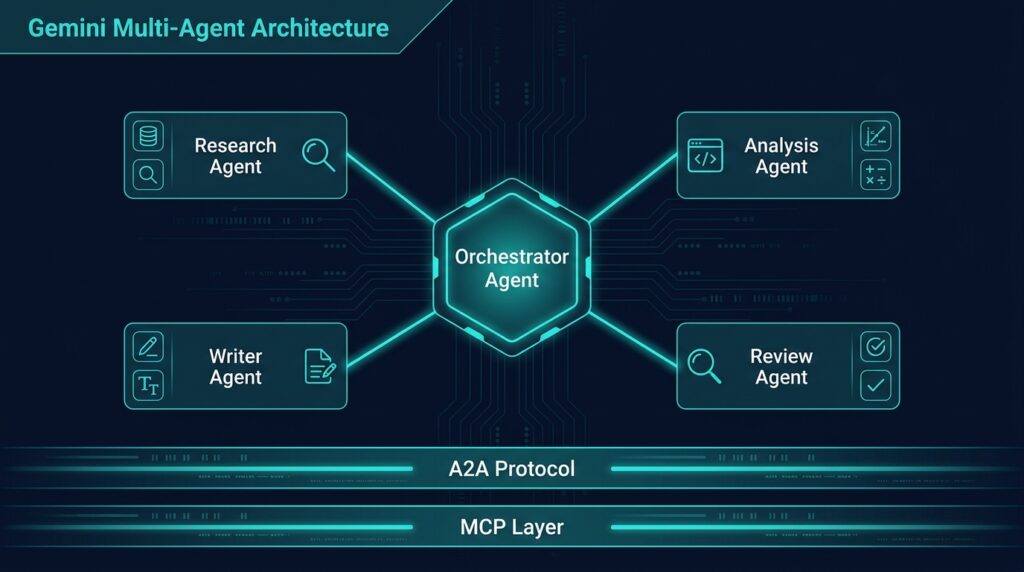
A technical deep-dive into Gemini’s multi-agent architecture—real failure modes, token optimization, state management, and production results from enterprise deployments in 2026.
From Ideas to Runs: How to Design AI-First Workflows That Actually Execute
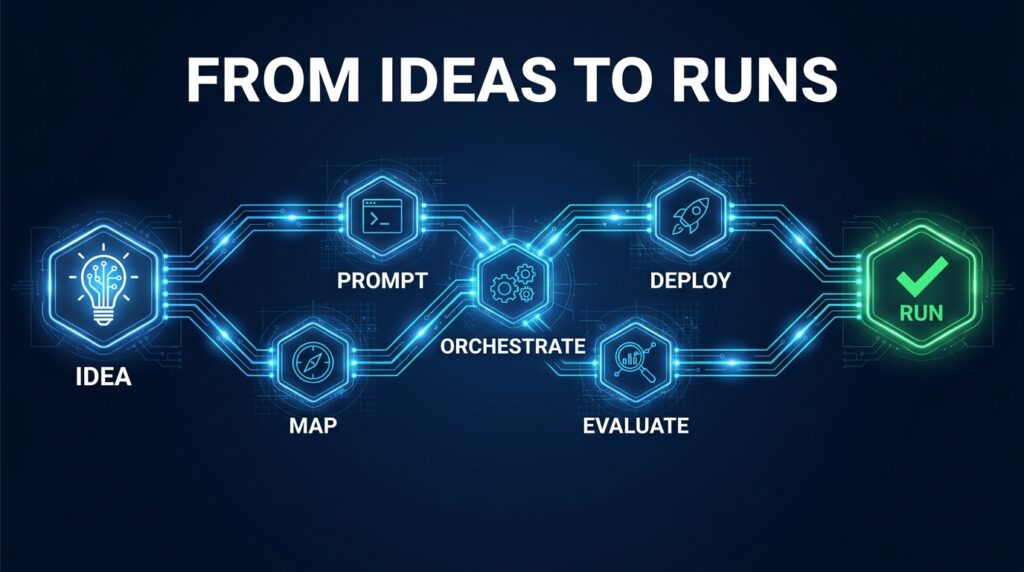
Most AI workflows fail not because the model is wrong, but because the workflow was never properly designed. Here’s the end-to-end discipline — from idea validation to production observability — that separates reliable runs from impressive demos.
The Architecture of Intent: How to Design AI Automation at the Workflow Level (Not the Bot Level)
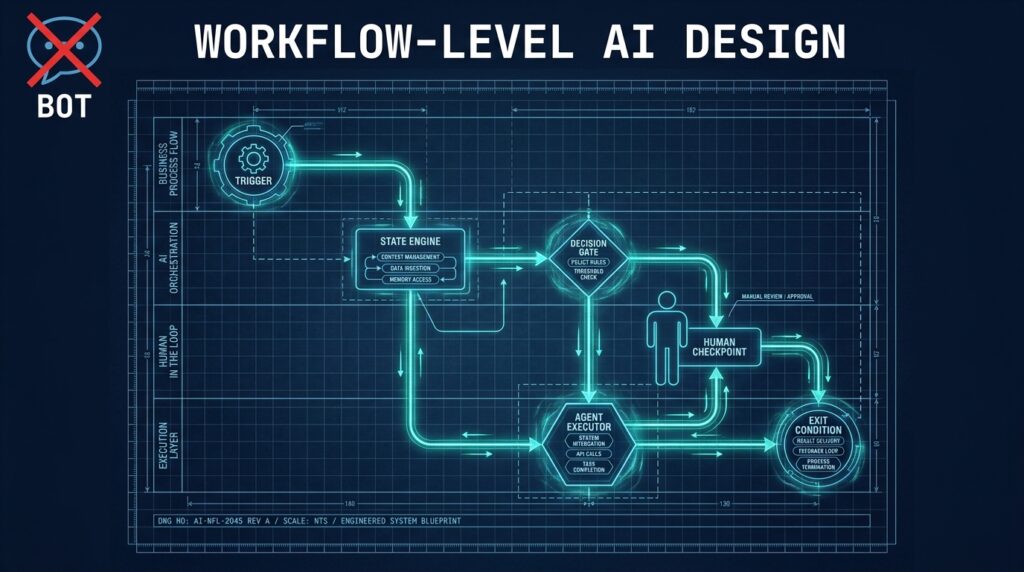
Stop building bots. Learn how to design AI automation at the workflow level — with state machines, decision gates, HITL checkpoints, and real observability.
The Control Plane Problem: Why Multi-Agent AI Systems Keep Breaking — And How to Orchestrate Them Safely
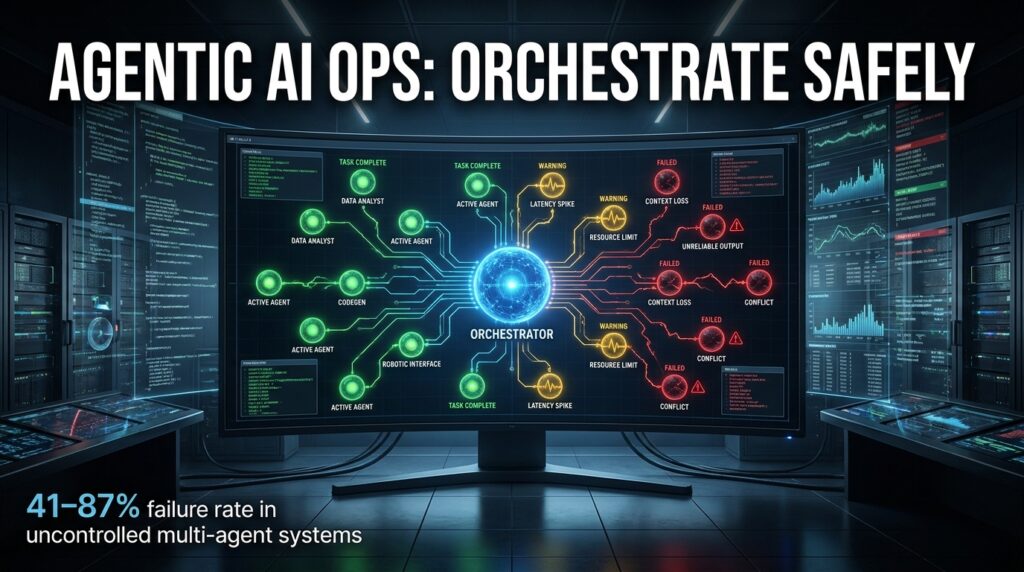
Multi-agent AI systems fail 41–87% of the time in production. Here’s how to build the control plane, apply the right orchestration patterns, and govern agentic workflows safely at scale.
The Control Layer Problem: Why Low-Code AI Orchestration Is Either Your Best Infrastructure Decision or Your Biggest Governance Blind Spot
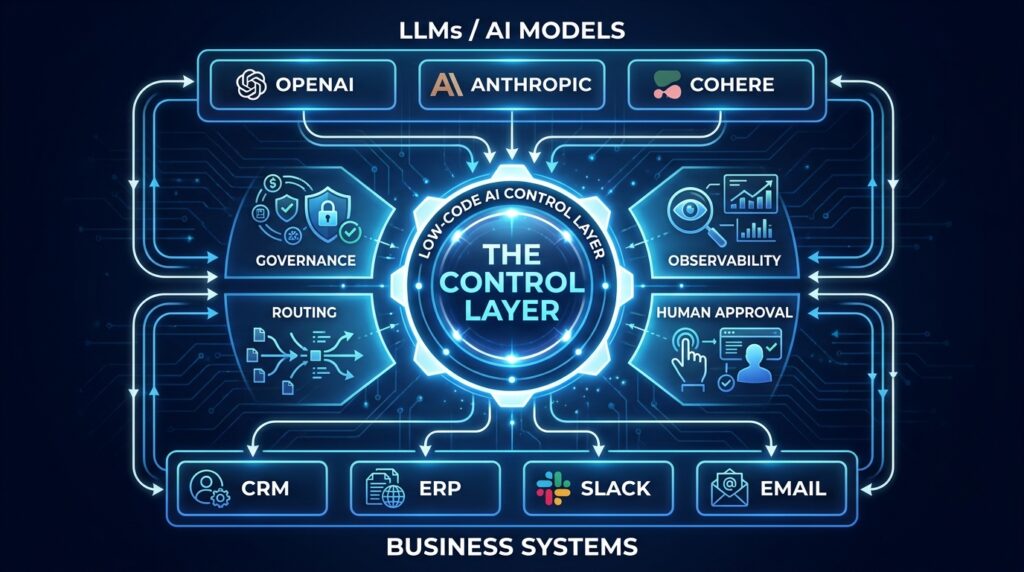
Low-code AI orchestration is easy to break without a real control layer. Here’s the architecture, platforms, governance stack, and implementation order that actually works in 2026.
Where LLM Agents End and RPA Begins: Drawing the Right Boundary for Production Orchestration

Where LLM agents end and RPA begins in production orchestration — tool contracts, MCP/A2A protocols, 5 failure modes, and real enterprise deployment patterns for 2026.