


The $10,000 Rule Is Gone for Safety Categories: What Amazon’s New Insurance Mandate Means for Sellers

Amazon now requires $1M commercial liability coverage for enhanced-safety categories, regardless of sales. Here’s who is affected and how to prepare.
Your Best-Selling ASIN Might Be Your Worst Product: A Contribution-Margin Audit for Amazon Sellers
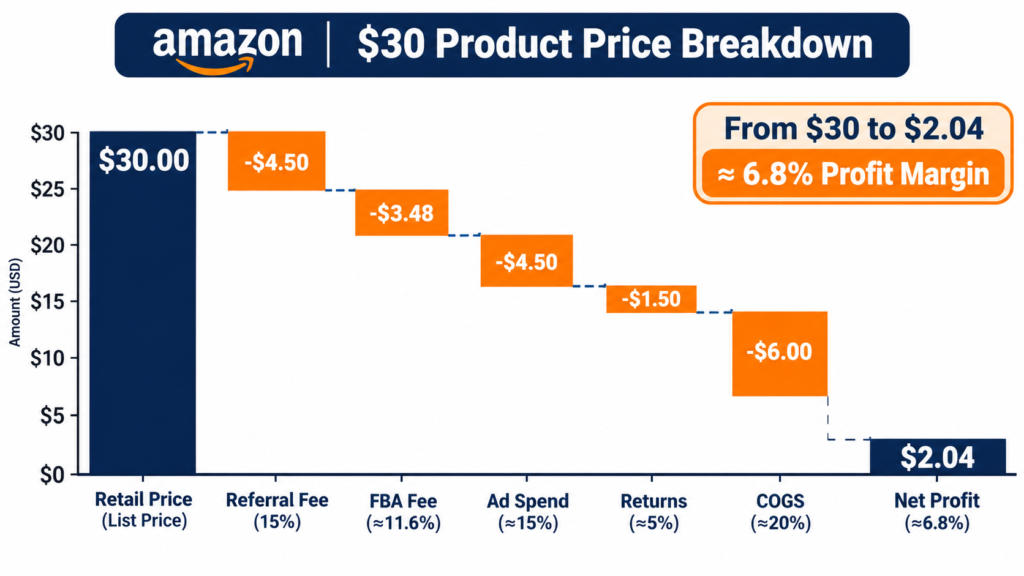
Revenue rank hides which Amazon products actually make cash. Here is a step-by-step contribution-margin audit to find your real winners and losers.
Amazon Selling Is a Cash-Flow Business: The Per-Unit Framework Most Sellers Skip
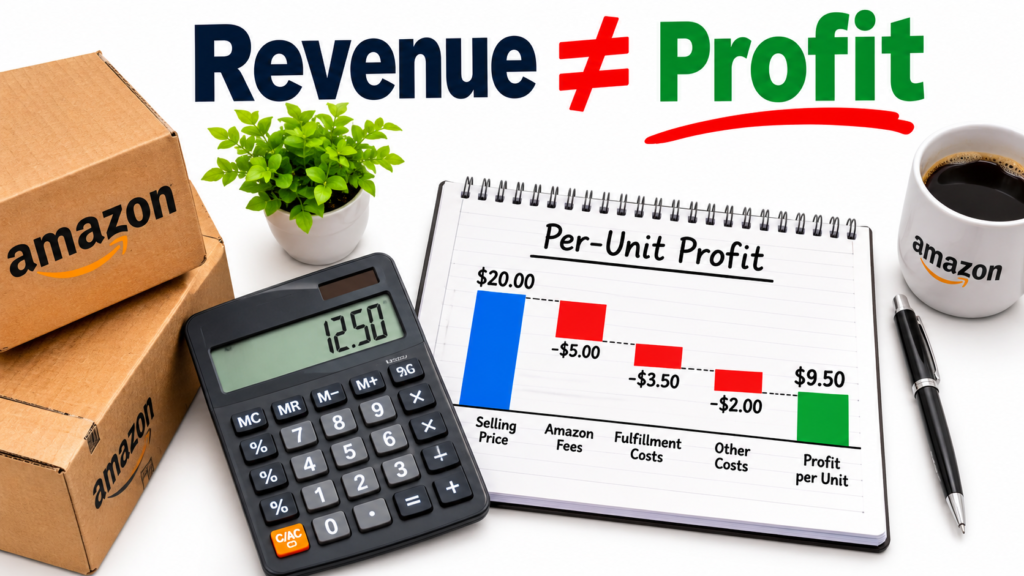
Sales rank is not profit. Learn the contribution margin, ad-phase, and cash-cycle math that decides whether an Amazon business actually grows.
Where Your Amazon Margin Actually Goes: A Per-Unit Profit Audit for Sellers in 2026
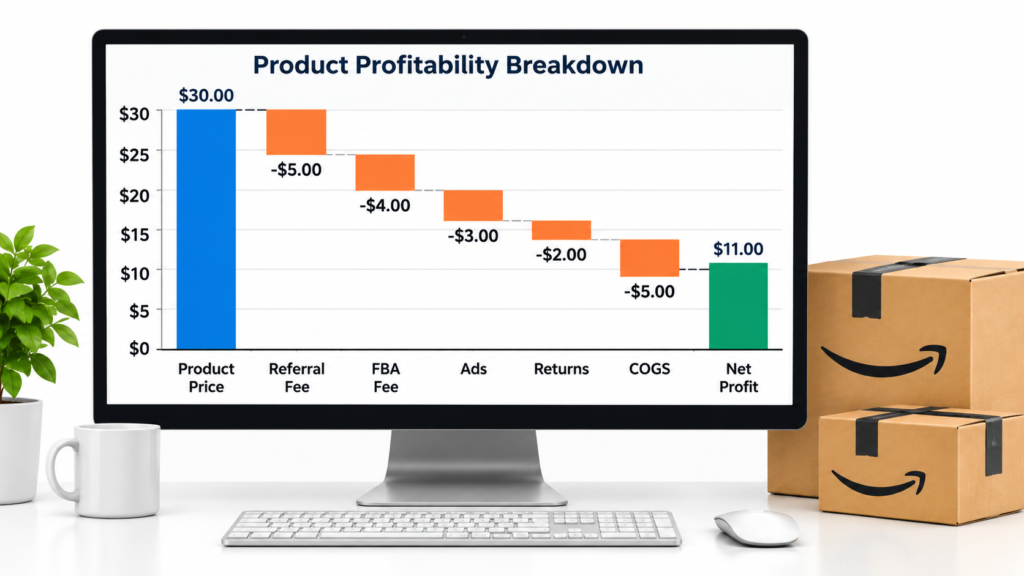
Revenue isn’t profit. Walk through a per-unit Amazon profit audit: fees, ads, returns, aged inventory and cash cycle, plus a SKU scorecard to act on.
Revenue Is Vanity: How to Build an Amazon Seller P&L That Shows What You Actually Keep

Most Amazon sellers track sales, not profit. Build a per-unit P&L, count cash tied up in inventory, and decide which ASINs deserve your money.
Amazon Selling Is a Cash Flow Business, Not a Product Business
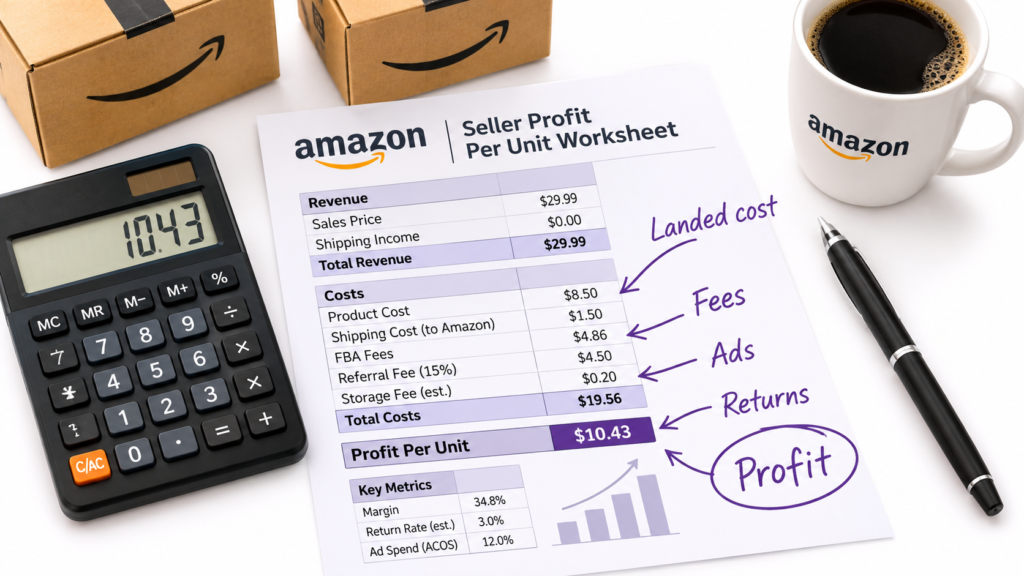
Most Amazon sellers obsess over product selection. The ones who last manage cash flow, contribution margin and inventory risk. Here is the framework.
Profitable Amazon Sellers Don’t Chase Revenue: They Manage Cash Cycles and Contribution Margin
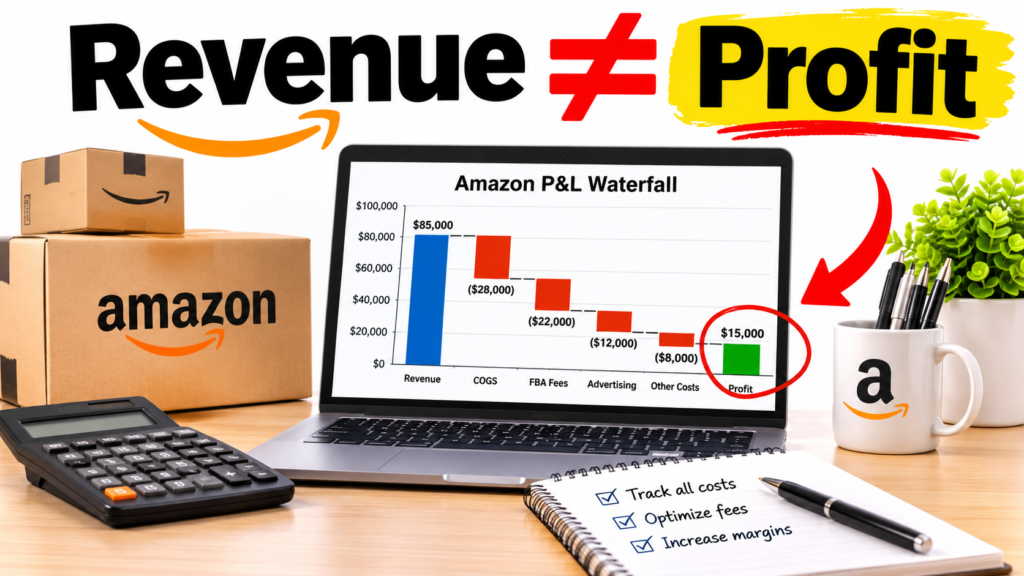
Amazon selling is a cash-flow and contribution-margin business. Learn the per-unit math, cash cycle, and inventory discipline that separate profit from revenue.
Revenue Is a Vanity Metric: How to Build an Amazon Profit Model That Survives Fee Changes
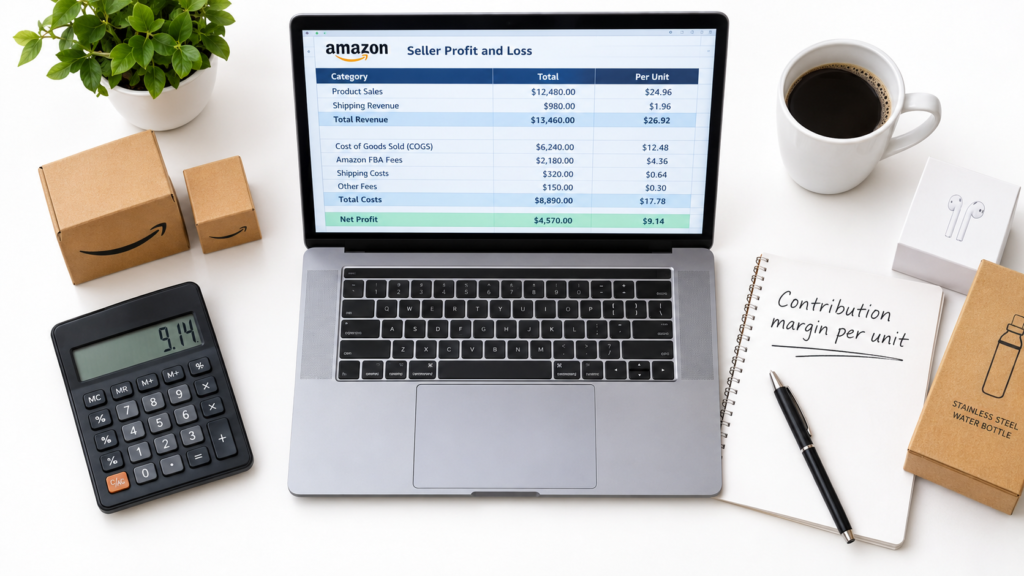
Most Amazon sellers track revenue and miss the margin. Here is a practical per-unit profit model, with stress tests, for 2026.
Amazon Lost 16% of Its Active Sellers. Here’s Who Took Their Customers.

Amazon’s active sellers fell 16% while traffic grew. A data-driven look at who is winning in 2026: concentration, the AI shelf, ads, and multichannel.
Amazon Now Has Three Shelves. Most Sellers Are Only Stocking Two.
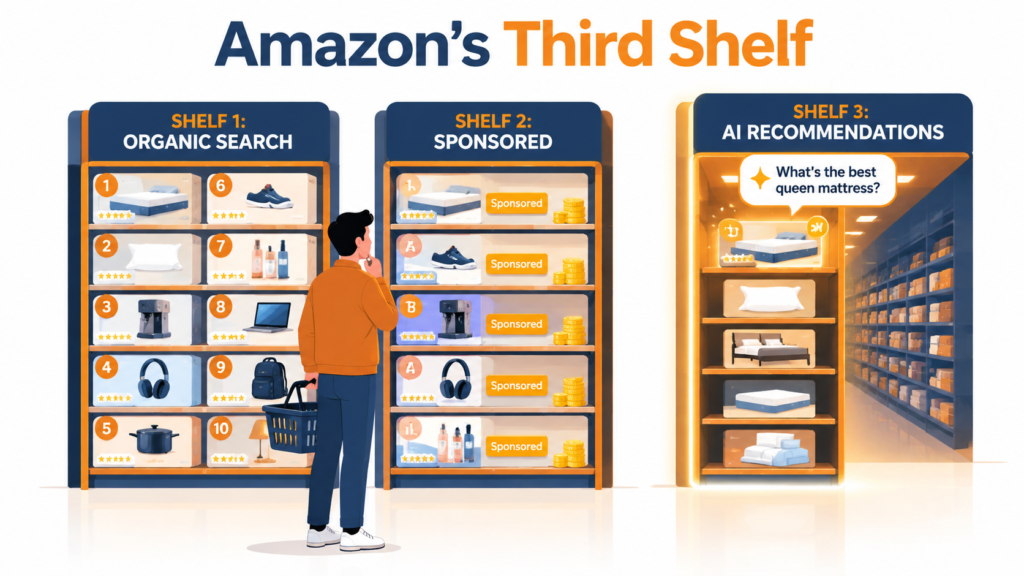
Amazon’s AI assistant picks 63.9% of its recommendations from outside the organic top 10. Here’s what the third shelf means for Amazon sellers in 2026.