


Most TikTok Shop sellers have experienced it at least once. A creator posts a video, it takes off overnight, orders flood in, and for a brief, electric moment everything feels like it’s working. Then the video fades from the algorithm’s favor. The orders slow. And the seller is left staring at the same question that trips up thousands of shops every year: what now?
The viral moment is seductive. It feels like proof that TikTok Shop works. But it’s actually one of the most dangerous milestones a seller can hit, because it creates a false sense that the model is built. It isn’t. What happened was a single piece of content connected with an audience at the right moment. That’s not a business — that’s a spark.
Building a real TikTok Shop business in 2026 means understanding exactly what the platform is designed to do, architecting your product and content approach around that reality, and then building the infrastructure — fulfillment, affiliate partnerships, paid amplification, and retention mechanics — that keeps revenue flowing after the feed moves on.
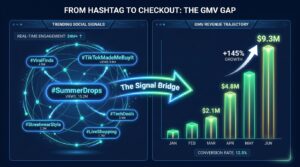
TikTok Shop is projected to generate $23.4 billion in US GMV in 2026, up roughly 48% year over year. There are now more than 231,000 active US TikTok Shops. The opportunity is enormous. But so is the noise. The sellers who build durable businesses won’t be the ones who catch the most viral moments. They’ll be the ones who treat the platform as a system to be built, not a lottery to be played.
This guide is about building that system — from product selection to repeat purchase mechanics — with the depth and specificity that the opportunity demands.
The Discovery Commerce Mindset Shift Every Seller Must Make First
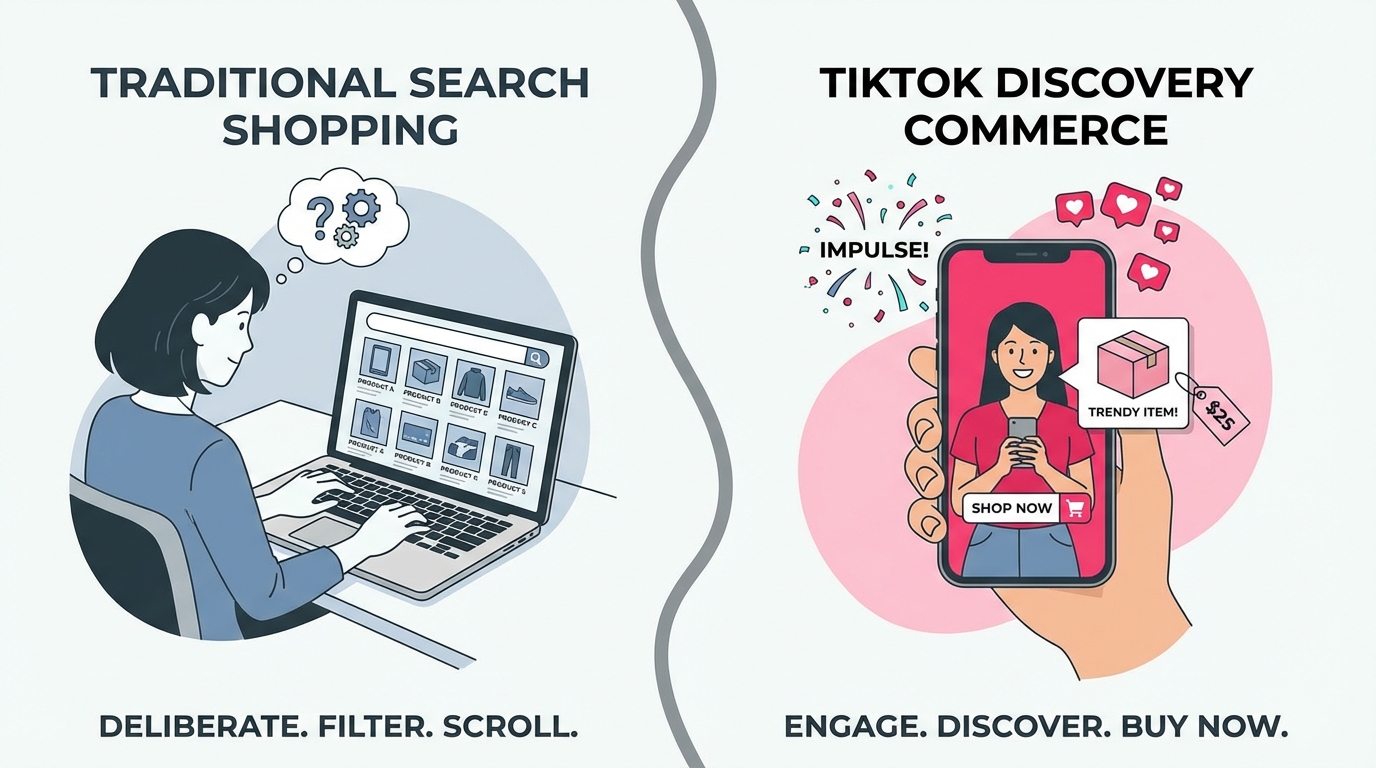
Every seller who struggles on TikTok Shop is, at some level, applying search commerce logic to a discovery commerce platform. Understanding this distinction isn’t just helpful — it’s foundational to every decision you’ll make.
Search Commerce vs. Discovery Commerce
On Amazon or Google, a shopper already knows they need something. They type “zinc supplement 50mg” or “wireless earbuds under $50” and evaluate options that fit a pre-existing intention. Your job as a seller is to be the most relevant, trusted, and visible result for that known search.
TikTok operates on an entirely different logic. Users open the app with no specific purchase intent. They’re there to be entertained. Products enter their awareness mid-scroll, while their brain is in a receptive, emotionally engaged state. The purchase impulse isn’t triggered by need — it’s triggered by a compelling demonstration, a relatable problem being solved, or an unexpected product they didn’t know existed.
This distinction has enormous practical implications. It means your product listing copy doesn’t need to answer “does this match my search?” — it needs to answer “why am I still thinking about this 30 seconds after I saw it?” It means your content isn’t an ad — it’s the vehicle that creates need in real time. And it means that the platform rewards sellers who understand entertainment, not just retail.
The “Sales-Native” Algorithm in 2026
TikTok’s algorithm has evolved significantly. In 2026, the platform operates what analysts describe as a “Sales-Native” algorithm — one that explicitly rewards genuine commercial relationships and authentic product demonstrations over transactional, ad-like content.
When users engage with a shoppable video (saving it, clicking the product tag, watching more than 80% of it), TikTok redistributes that content to users with similar behavioral profiles. High-engagement shoppable content compounds reach in ways that standard ads cannot. This is why a creator with 12,000 followers can drive more TikTok Shop sales than a brand spending $5,000 on ad placements.
The sellers who understand this use it as a multiplier. They produce content — or source it through creators — that’s built to entertain first and convert second. They know that a video that makes someone laugh, feel seen, or genuinely curious about a product will outperform a polished product showcase every time.
Implication for Your Brand Positioning
If you’re coming from Amazon, you may be used to thinking about your brand as a set of attributes: ingredients, features, certifications, price points. On TikTok, your brand is a feeling and a story that someone encounters mid-entertainment.
Successful TikTok Shop brands in 2026 define themselves by the problem they solve in a demonstrable way and the community they’re part of, not just the product they sell. This affects everything from which creators you partner with to how you write your product titles to what you show in your main listing image.
Product Architecture: Building a Catalog That Works for This Platform
The most common product selection mistake on TikTok Shop isn’t picking a bad category — it’s building a catalog that’s too broad too early. TikTok Shop rewards depth over breadth, particularly when you’re scaling from zero.
The Hero Product Framework
The most consistently successful TikTok Shop sellers in 2026 built their initial momentum around one to two “hero” products — high-fit items that meet a specific set of platform criteria — before expanding. The logic is straightforward: you need critical mass of content, creator relationships, and social proof around a single item before the algorithm starts distributing it reliably.
A hero product for TikTok Shop has five non-negotiable traits:
- Demonstrable in under 5 seconds: The value proposition can be shown, not explained. Before-and-after works. Transformation works. Someone reacting to using it works.
- Priced in the impulse range: The sweet spot for TikTok Shop is $20–$60. Products priced above $100 require consideration cycles that the discovery-first format rarely supports without significant social proof.
- A return rate below 5%: Returns on TikTok Shop don’t just hurt margins — they tank your account health score, which directly impacts algorithmic visibility. Products with a high potential for buyer’s remorse (anything heavily dependent on fit, size, or precise color matching) are high-risk.
- Creator-friendly: The best question to ask is whether a creator can naturally incorporate this product into their existing content style. If a lifestyle creator has to radically change their format to feature your product, you’ll get stiff, unconvincing content.
- Repeat-buy potential: One-time purchases fund acquisition. Repeat purchases build a business. Consumables — skincare, supplements, food products — have a structural advantage on TikTok Shop because a first purchase can be the beginning of a long customer relationship.
Top-Performing Categories in 2026
Beauty and Personal Care leads TikTok Shop GMV in 2026 with approximately $2.49 billion, capturing 22.5% of total platform sales. Women’s wear follows at $1.39 billion (12.56%), with Men’s wear at $893 million (8.06%). Home Supplies and Health & Wellness round out the top tier.
These categories dominate not because TikTok’s audience loves beauty and fashion more than anything else, but because these products are inherently visual, demonstrate well in short video, and show clear transformation. A serum that visibly plumps skin. A dress that creates a silhouette. A kitchen gadget that chops a vegetable in two seconds. These aren’t coincidental hits — they’re structurally suited to the format.
When to Expand Your Catalog
The right time to expand beyond your hero product is after you have: a product page with at least 100 reviews (4.5 stars or above), an established pool of five or more affiliate creators producing consistent content, and a minimum of three months of stable conversion data above 3%. Before those markers are hit, every additional SKU dilutes your creator relationships and content focus without adding meaningful revenue.

The Content Engine: Volume, Velocity, and the 60-Second Rule
TikTok Shop operates on a simple law: more quality content means more surface area for discovery. But the keyword is quality, and what constitutes quality on TikTok is often counter-intuitive for sellers coming from more traditional marketing backgrounds.
Why Volume Matters More Than Perfection
On platforms like Instagram or YouTube, a single high-production video can anchor an entire campaign. On TikTok, the algorithm distributes content based on immediate engagement signals — watch time, saves, comments, product tag clicks — and those signals reset with every new piece of content. A video that underperforms today doesn’t hurt tomorrow’s video. But a gap in content output does hurt, because it signals low seller activity to the platform.
Successful TikTok Shop sellers in 2026 aim for a content velocity of at least 7–14 videos per week across their own account and creator partners combined. This isn’t about flooding the feed with noise. It’s about statistically increasing the chance that at least two or three pieces of content per week catch early engagement signals and get distributed more widely.
The Four Content Formats That Drive TikTok Shop Sales
Not all content is equal. These four formats account for the majority of TikTok Shop conversion events:
- Problem-Solution Demos: A creator or brand account demonstrates a specific, relatable problem and shows the product solving it within 30–45 seconds. The problem should be stated or shown in the first two seconds, before anyone has a chance to scroll past.
- Before-and-After: Visual transformation content. Particularly powerful for beauty, skincare, fitness products, and home organization. The after needs to be genuinely compelling — not just slightly better.
- Reaction/Unboxing: Authentic, slightly surprised reactions to receiving and trying a product for the first time. These work because they feel like word-of-mouth from a trusted peer, not an ad.
- Educational Storytelling: Content that teaches the viewer something relevant (why a certain skincare ingredient works, how a particular cooking technique changes a dish) while naturally incorporating the product. These tend to have the highest save rates, which signals the algorithm to extend distribution.
The First Two Seconds Are Everything
TikTok’s internal data consistently shows that viewers decide whether to keep watching within the first 1.5 to 2 seconds of a video. The hook — the opening visual or spoken statement — is the most important element of any content you produce or commission. Strong hooks create a question in the viewer’s mind that can only be answered by continuing to watch. Weak hooks (most branded content, anything that starts with “Hey guys,” anything that opens with a logo) result in immediate scroll-past behavior.
When briefing creators, spend more time defining the hook than any other element. A creator who understands hook psychology will consistently outperform a creator with twice the following but no hook discipline.
The Affiliate Layer: Building a Creator Program That Generates Consistent Revenue
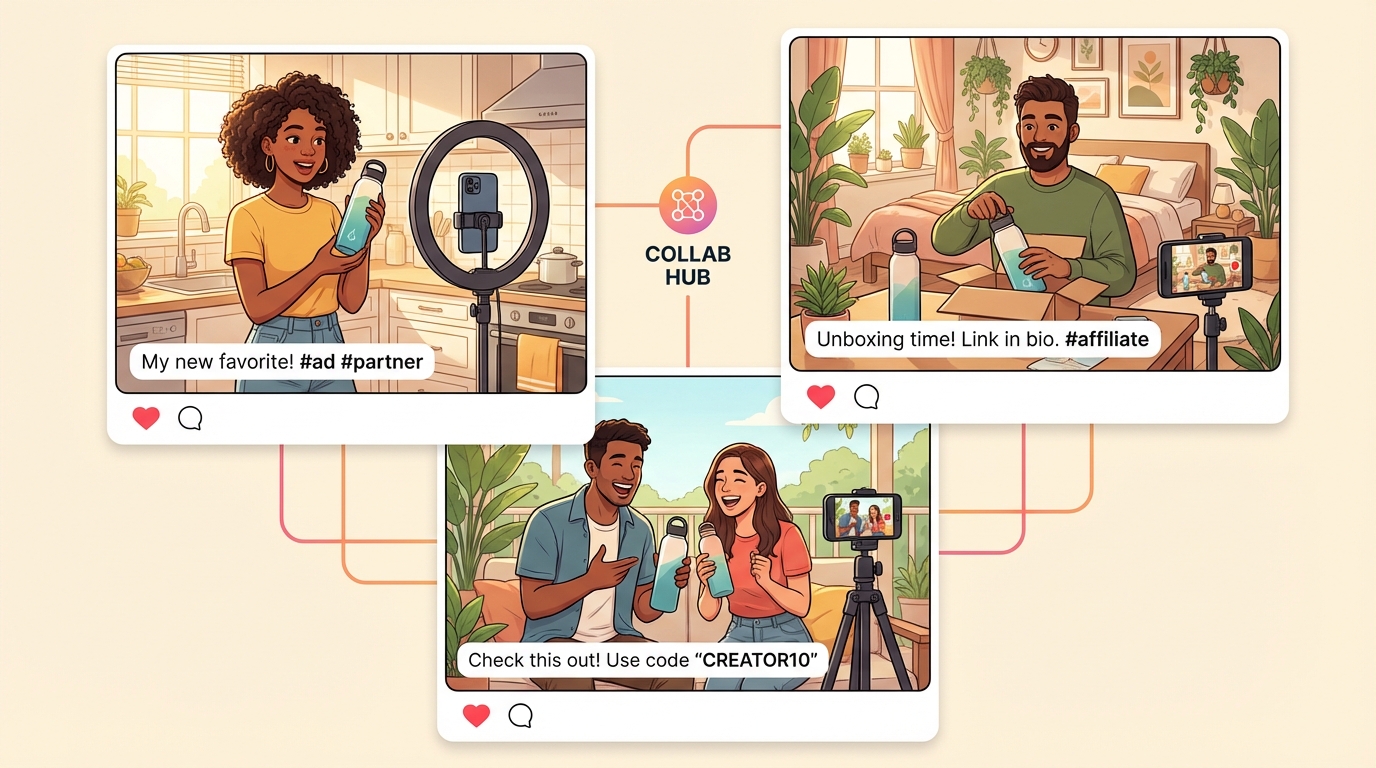
The TikTok Shop Affiliate Program is one of the most powerful commerce mechanics ever built into a social platform. Creators can earn commissions on any product they feature — and because TikTok tracks this attribution natively, there’s no pixel, link, or discount code required. The frictionless nature of the system means that even micro-creators with modest audiences can drive real revenue.
But the affiliate layer is also where most brand strategies collapse. Here’s why.
The Transactional Affiliate Trap
The most common affiliate approach looks like this: a brand opens their affiliate program, sets a commission rate, sends product samples to 50 creators, and waits for videos to appear. When nothing significant happens, they blame the platform or their category.
What they’ve done is treat their affiliate program like a passive distribution network rather than an active creator partnership ecosystem. Creators who receive a product with no context, no brief, no communication about who the target customer is, and no guidance on what’s worked in the past are almost always going to produce generic content — if they produce anything at all.
TikTok’s 2026 Sales-Native algorithm specifically rewards genuine relationships between brands and creators. When a creator produces content that their audience already trusts them on — beauty, food, home, fitness — and they feature your product authentically within that context, the engagement signals are dramatically stronger than a forced promotional video.
Building a Tiered Creator Architecture
The most effective TikTok Shop affiliate programs in 2026 use a three-tier creator model:
Tier 1 — Micro creators (5,000–50,000 followers): These are your highest-ROI partners. They typically have deeply engaged, niche audiences. Commission rates of 10–15% are enough to motivate them. The key metric here is not reach — it’s conversion rate. A micro creator with 18,000 followers in the supplement niche will often outperform a macro lifestyle creator with 500,000 followers when it comes to actual purchase events.
Tier 2 — Mid-tier creators (50,000–300,000 followers): These creators provide a balance of reach and authority. They’re worth investing more time in — a dedicated product brief, a phone call to discuss content angles, and a commission structure of 12–18% plus a modest flat fee for confirmed posting.
Tier 3 — Macro creators (300,000+ followers): Use these strategically rather than broadly. A single macro creator video can create a significant spike, but the unit economics rarely justify using them as a core acquisition channel. They work best for new product launches, seasonal campaigns, or repositioning a product that has social proof but needs a visibility push.
What to Include in a Creator Brief
A well-structured creator brief dramatically increases the quality and conversion rate of affiliate content. At minimum, your brief should cover: the core problem your product solves (in one sentence), your target customer persona, two or three hook options the creator can adapt or use as inspiration, the specific result or transformation you want featured, any compliance requirements (claims to avoid, disclosures required), and the commission structure with payment timeline.
Creators who feel supported produce better content. The brief isn’t about controlling their voice — it’s about giving them enough context to bring their own authentic perspective to your product.
Vetting and Tracking Creator Performance
Not all affiliates will perform, and spending resources on non-performers is a significant margin leak. After the first 30 days, sort your creator portfolio by revenue per post, not total views or follower count. Cut creators who produce content but generate zero attributed sales within two videos. Invest more heavily — better commission, exclusive bundles, first access to new products — in the top 20% who are driving 80% of your affiliate revenue.
Track affiliate commissions weekly against units sold and net margin per unit. A flat 15% commission rate that made sense when your retail price was $40 may be destroying your margin if you’ve since added a promotional discount or if return rates have increased.
TikTok LIVE: The Revenue Channel Most Sellers Are Underusing
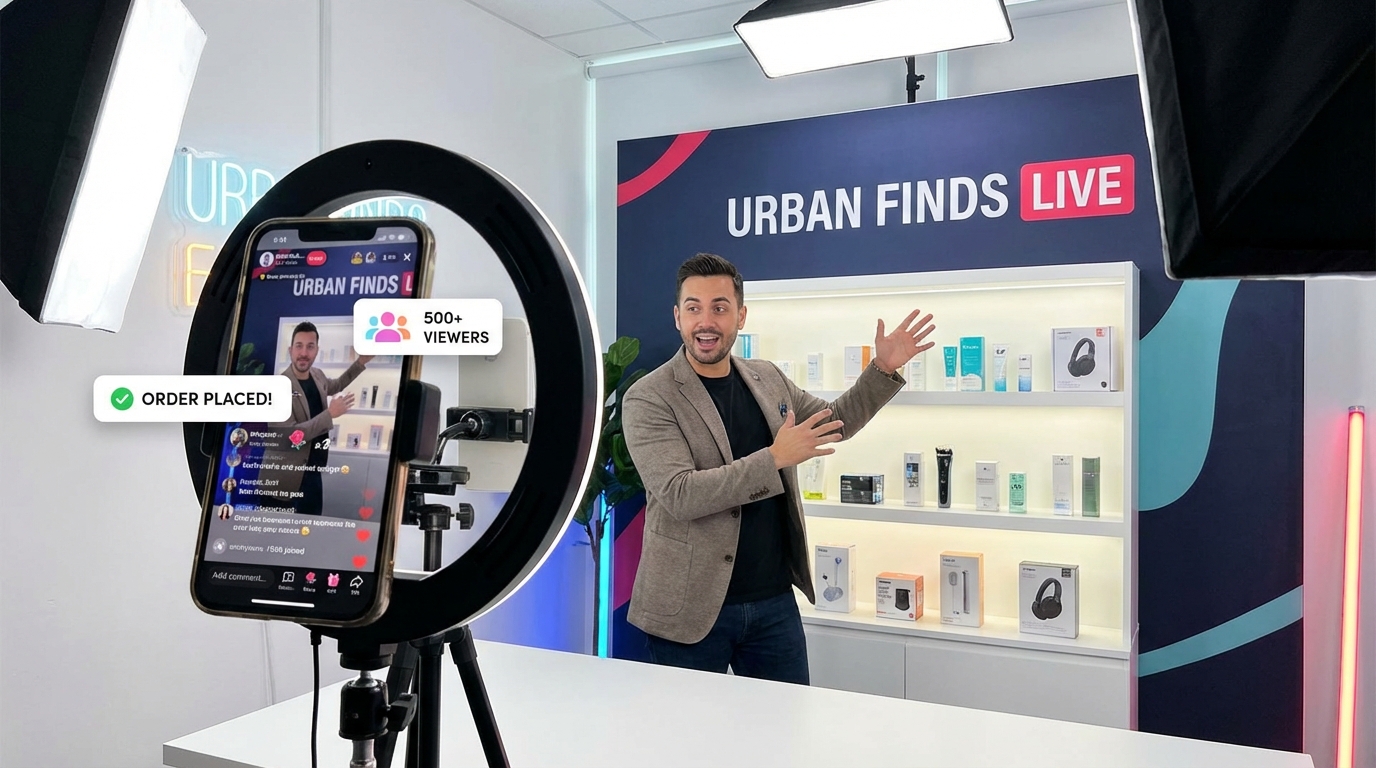
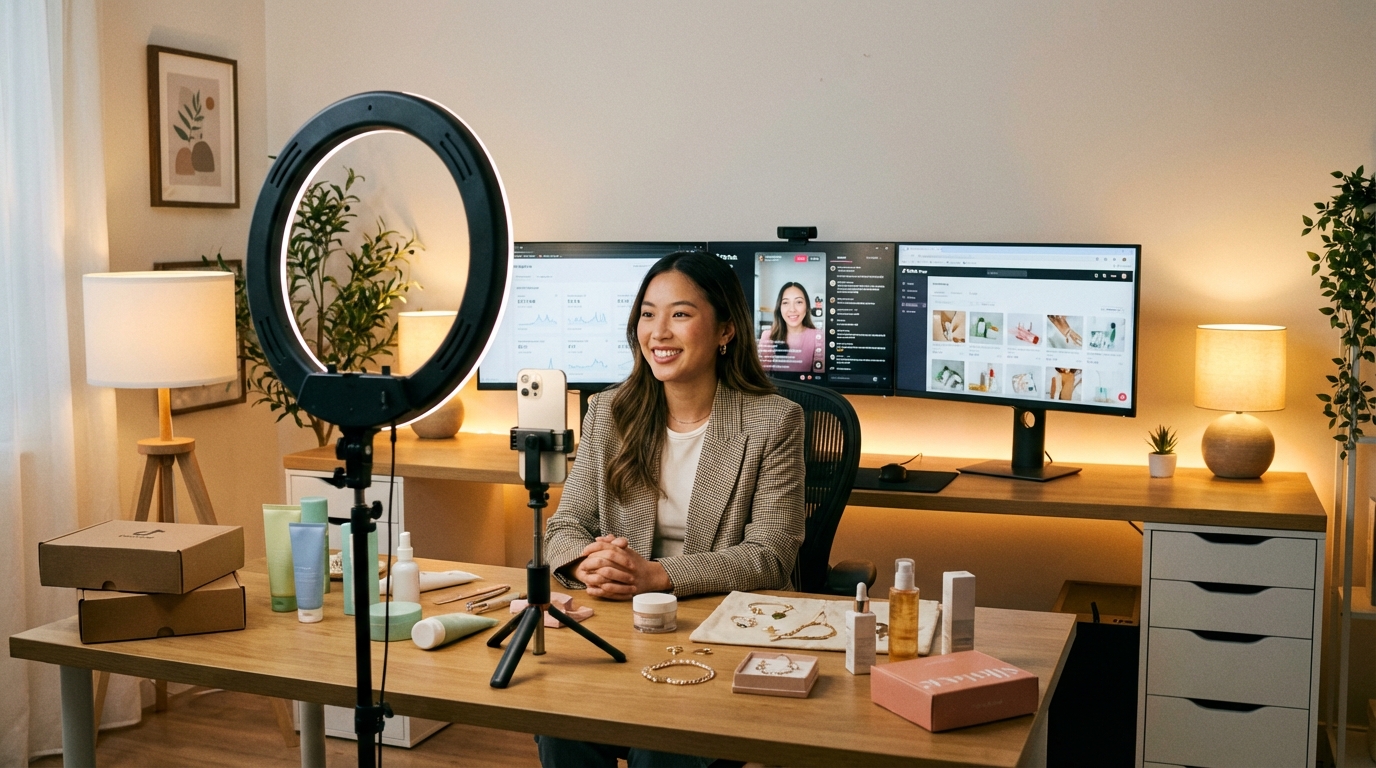
TikTok LIVE is, on paper, the most powerful selling format on the platform — and in practice, one of the most underutilized by Western brands. The data makes a compelling case: LIVE sessions convert at 5–12%, compared to approximately 2.8% for shoppable videos. Average order value in LIVE is around $38, versus $26 for video-driven purchases. Top LIVE sessions generate $25,000 or more per stream.
These numbers exist because LIVE combines the urgency of real-time purchasing with the social proof of live audience reactions. When viewers see active orders appearing, questions being answered in real time, and a presenter genuinely responding to the room, buying feels like participation rather than a transaction.
Setting Up Your First LIVE Session for Sales
The most common mistake in TikTok LIVE commerce is treating it like a webinar or an Instagram Live. It’s neither. TikTok LIVE commerce is a performance that happens to involve selling — the entertainment quality determines the audience size, and the audience size determines the revenue.
Before you go live, promote the session at least 48–72 hours in advance through your regular content feed. Tease the exclusive deal or product demo that viewers will only see in the LIVE. Set up your product display so items are visible and appealing on camera. Have 3–5 hero products selected for the session — enough variety to hold attention but focused enough that viewers can follow along.
During the session, peak hours for TikTok Shop LIVE in the US are between 6 PM and 9 PM EST. Sessions of 45–90 minutes outperform both shorter and much longer formats. The sweet spot involves alternating between product demos, live Q&A, and authentic personal moments — moments where the presenter steps out of “selling mode” and just connects with the room.
The Urgency Mechanics That Drive LIVE Conversions
LIVE sessions that convert well use structured urgency mechanics throughout. Flash-price drops for the first 10 buyers. Limited quantities of a bundle offered exclusively during the stream. A countdown timer for a shipping-included window. These aren’t manipulative — they’re the real-time commerce equivalent of a limited-time promotion, and TikTok users who engage with LIVE shopping expect them.
The critical caveat: urgency that isn’t genuine destroys trust faster than it builds sales. If you say “only 20 units available” and then continue selling the same product at the same price for two more hours, your audience learns that your urgency mechanics are fabricated, and engagement drops sharply.
Who Should Host Your Lives
Your most enthusiastic customer who also happens to be charismatic is worth more as a LIVE host than a professional presenter who doesn’t know your product intimately. Authenticity in LIVE commerce is extremely legible to an audience. Stilted scripts, uncomfortable product knowledge, and obvious reliance on talking points result in viewers dropping off within the first five minutes.
Many successful TikTok Shop brands recruit their best affiliate creators to co-host LIVE sessions — the creator brings their audience, the brand provides the product knowledge and inventory, and both share in the revenue from the session.
Paid Ads on TikTok Shop: How to Allocate Budget Without Burning Margin
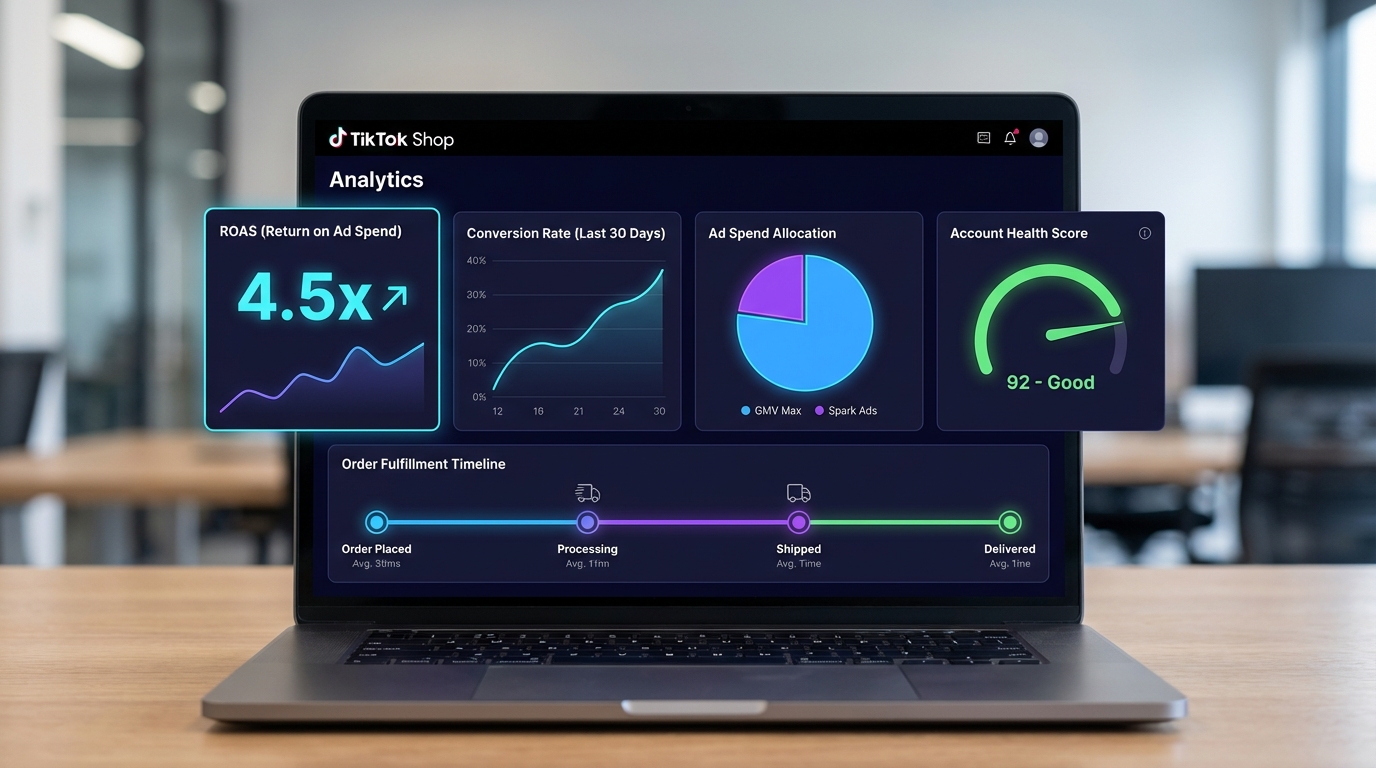
Paid advertising on TikTok Shop is not a replacement for organic content and affiliate strategy — it’s an amplifier for content that’s already proven to convert. Sellers who run ads before validating organic performance almost always burn through budget without meaningful return.
The right time to introduce paid spend is when you have organic content generating at least a 3% conversion rate with real purchase data. At that point, you know your product page converts, your hook works, and your audience profile is clear enough for TikTok’s algorithm to find more people like them.
GMV Max: TikTok’s Automated Campaign Type
GMV Max is TikTok’s most significant advertising product for Shop sellers in 2026. It’s a fully automated campaign type that pulls from your existing organic content, creator videos, and product pages, then distributes ad spend toward combinations that the algorithm predicts will generate the highest gross merchandise value.
The recommended budget allocation from leading TikTok Shop agencies is 80% to GMV Max campaigns and 20% to manual campaigns (including Spark Ads and web conversion campaigns). This weighting reflects the reality that GMV Max’s automated optimization outperforms manual campaign management for most sellers once there’s sufficient conversion data in the system.
The main risk with GMV Max is loss of creative control. The algorithm may favor your least-polished creator video because it converts better, regardless of whether it represents the brand positioning you prefer. Monitor which creative assets GMV Max is distributing and periodically refresh your approved asset pool to maintain a degree of quality control.
Spark Ads: Amplifying What’s Already Working
Spark Ads allow you to pay to boost organic videos — either your own or creator content with their permission. The mechanism matters because Spark Ads run from the original creator’s account, not a branded account, which means the organic-looking format is preserved. Engagement (likes, comments, shares) also accumulates on the original post rather than being siloed in an ad unit.
The practical playbook: when an affiliate creator posts a video that reaches 50,000+ views organically within 48 hours, request whitelisting permission and Spark Ads that video immediately. You’re effectively paying to extend a video that has already demonstrated organic appeal — your budget is amplifying a proven signal rather than testing an unproven one.
Target ROAS and Margin Benchmarks
Realistic ROAS targets for TikTok Shop paid campaigns in 2026 fall between 3.5x and 6x, with top-performing DTC brands achieving an average of 4.7x ROAS at 35%+ margins. If you’re consistently below 3x ROAS on your ad spend, the problem is almost always one of three things: product-market fit in the TikTok context is weak, your creative hasn’t found the right hook, or your product page is failing to convert the traffic your ads are sending.
A useful diagnostic: if your ad click-through rate (CTR) is strong (above 1.5%) but your conversion rate is weak (below 2%), the problem is the product page. If your CTR is weak, the problem is the creative. These are different problems that require different fixes — conflating them leads to wasted testing cycles.
Pricing Psychology, Bundling, and AOV Optimization
Average order value is one of the most underworked levers in TikTok Shop strategy. Most sellers focus exclusively on driving more traffic and more conversions while leaving significant revenue on the table from buyers who are already in a purchasing mindset.
The Impulse-Range Sweet Spot
TikTok Shop’s highest-converting price range sits between $47 and $73 average order value for brands operating systematic growth programs. Getting there from a $20–30 single-product average requires building the infrastructure around your pricing — not just raising prices, which on a discovery platform typically reduces conversion sharply.
The most effective way to increase AOV without raising the entry price is through bundling. The psychology works because a bundle creates perceived value — the buyer feels they’re getting more for less — while the seller increases total revenue per transaction. Bundles increase first-time buyer satisfaction by approximately 15% and perceived value by 20%, and consumers spend approximately 73% more on “bonus” packs versus standalone discounts.
Bundle Construction Strategy
Effective TikTok Shop bundles are built around the customer journey, not inventory convenience. A skincare brand’s bundle shouldn’t just throw together three random products at a discount — it should represent the logical next step in the customer’s skincare routine after using the hero product. “Start with this, complement it with this, and your results will be better” is a story that both converts and educates the customer about the full breadth of your line.
For LIVE sessions, feature 3–5 bundle options at different price points. Anchoring is a reliable mechanism: show the highest-value bundle first (even if it’s rarely purchased) to make mid-tier options feel like the obvious smart choice.
Charm Pricing and Listing Tactics
Charm pricing ($19.99 instead of $20, $47 instead of $50) lifts conversion rates by a documented 24–60% in e-commerce contexts, and this effect holds on TikTok Shop. More importantly, price presentation in shoppable videos matters: if a creator verbally says the price in their video, they should always use the charm price, never the rounded figure. “Forty-seven bucks” converts better than “fifty dollars” — even when the gap is only three dollars, the number feels meaningfully lower.
Flash Pricing in LIVE vs. Listing Prices
One structural advantage of TikTok LIVE is the ability to offer session-exclusive pricing without changing your listed product price. This preserves your anchor price for organic and paid discovery while creating genuine urgency in LIVE sessions. Buyers who attend lives come to expect exclusive deals — and that expectation itself becomes a retention mechanic, drawing the same buyers back for future sessions.
Fulfillment, Account Health, and the 2026 Logistics Rules
In March 2026, TikTok Shop completed its transition away from independent seller shipping, mandating that all sellers use TikTok Shop Logistics Services. This was one of the most significant operational changes in the platform’s US history, and many sellers were caught unprepared. Understanding the current rules isn’t optional — non-compliance directly threatens account visibility and selling privileges.
The Three Approved Fulfillment Methods
TikTok Shop currently supports three fulfillment approaches:
- Fulfilled by TikTok (FBT): TikTok handles warehousing, packing, and shipping entirely. This is the lowest-friction option for sellers who can stomach the cost and are comfortable with their inventory in TikTok’s hands. FBT typically costs around $4.50 per order, which needs to be factored into your margin calculations.
- Upgraded TikTok Shipping: Sellers fulfill orders themselves but must use TikTok’s approved shipping system and generate labels through the platform. This retains more seller control over the packing experience while meeting compliance requirements.
- Collections by TikTok (CBT): Orders are shipped through TikTok-designated couriers. This hybrid option suits sellers with existing 3PL relationships who have secured TikTok’s approval for those partners.
Account Health Metrics That Determine Your Visibility
TikTok Shop’s Account Health Rating (AHR) is not just a compliance metric — it directly affects algorithmic visibility. Accounts with AHR below 150 face reduced distribution for their shoppable content. Maintaining a healthy score requires hitting these benchmarks consistently:
- On-Time Delivery Rate (OTDR): Must remain at or above 80% on a rolling 30-day basis.
- Seller Fault Cancellation Rate (SFCR): Must stay below 5%. Cancellations that occur because you’ve run out of stock — a frequent cause for sellers who manage inventory manually — count against this metric.
- Valid Tracking Rate (VTR): 95% or more of all orders must have valid tracking numbers assigned before the dispatch deadline.
- Late Dispatch Rate: Must remain below 4%. All orders must be dispatched within two business days of confirmation, with a carrier scan confirming “In Transit” status.
Sellers who automate inventory sync with their TikTok Shop listing — through integrations with Shopify, WooCommerce, or a dedicated 3PL system — eliminate most of the cancellation and dispatch rate risk. Manual inventory management is a significant liability at any meaningful order volume.
Managing Returns Without Destroying Margins
Returns are the hidden margin destroyer in TikTok Shop. The platform’s average return rate varies widely by category, but a 15% return rate on a product with a 40% gross margin can flip that product’s profitability negative once shipping costs and restocking labor are factored in. Proactive return reduction requires: accurate product descriptions that set correct expectations, size guides where applicable, clear unboxing and usage instructions in the post-purchase communication, and rapid customer service response for product issues that might be resolved without a return.
Building Repeat Purchase Systems and Real Brand Equity
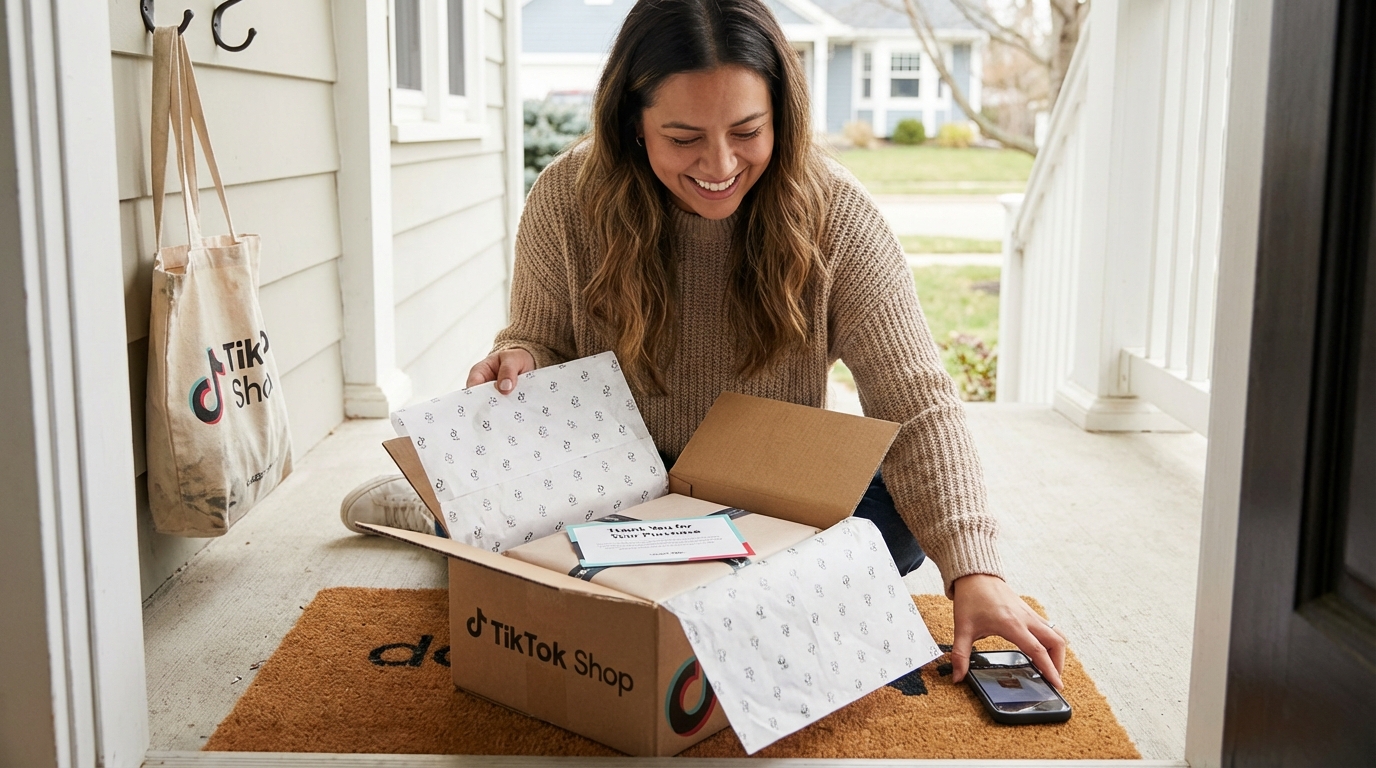
Here’s the hard truth about TikTok Shop: the platform’s discovery model is incredibly effective at generating first purchases. It is considerably less effective at generating second purchases. The algorithm is designed to serve users new content from new sources — not to keep reminding someone that they loved a product they bought six weeks ago.
Building retention into a TikTok Shop business means building infrastructure that operates outside the algorithm’s logic — post-purchase communication, subscription mechanics, loyalty incentives, and community building that keeps your brand in a customer’s consciousness after TikTok has moved on to showing them something else.
The Post-Purchase Sequence
The window immediately after a TikTok Shop purchase is when buyer attention is at its peak. A structured post-purchase communication sequence — delivered through TikTok’s messaging system or email if you’re running a cross-platform funnel — can dramatically improve both product experience and repeat purchase rates.
A proven framework: a 24–48 hour follow-up with usage tips and a reminder to leave a review (this timing also reduces buyer’s remorse returns); a 7–14 day check-in asking how the product is going and inviting them to share their experience through UGC; and a 30+ day replenishment reminder for consumable products, ideally with a loyalty discount that rewards the second purchase.
Building a Community That Creates Its Own Content
The most capital-efficient content strategy in TikTok Shop is turning your best customers into your most authentic creators. Customers who love a product and feel seen by a brand will produce UGC without being prompted — but with gentle facilitation, that rate increases significantly.
Include a physical or digital prompt in every order: a simple “Tag us and we’ll feature you” card, or a QR code that links to a community challenge. When customers see that posting about your product earns them recognition — a brand repost, a loyalty discount, a feature in your next LIVE session — participation compounds over time.
This community-generated content has two structural advantages: it costs nothing per piece to produce, and it’s the most credible format TikTok’s algorithm recognizes, because real customers in real environments produce authentic engagement signals that even the best-scripted creator content struggles to match.
Subscription and Replenishment Mechanics
For consumable products, subscription mechanics are the single most powerful retention tool available. TikTok Shop’s native subscription features are still relatively limited compared to dedicated DTC platforms, which is why many successful sellers use TikTok as the acquisition channel and move repeat buyers to a Shopify subscription flow for ongoing orders.
The economics make a compelling case. A customer acquired through TikTok affiliate content who converts once at $45 generates one transaction. The same customer on a quarterly supplement subscription at $40 generates $160 in annual revenue, with acquisition cost spread across four purchases rather than one. Customer lifetime value (CLV) benchmarks for well-structured TikTok Shop brands in 2026 range from $127 to $245 — but only for sellers who’ve built retention infrastructure.
The Multi-Platform Integration Play
TikTok Shop is a powerful acquisition engine. But it’s not — and shouldn’t be — your entire business infrastructure. The most resilient e-commerce operations in 2026 treat TikTok Shop as one layer of a multi-platform architecture, with each channel playing a specific role.
TikTok + Shopify: Acquisition Meets Retention
Shopify remains the gold standard for owned-audience commerce. When a customer makes their first purchase through TikTok Shop, you own very little of the relationship — TikTok holds the transaction data and customer contact information. Building a Shopify funnel that captures TikTok buyers into your own email or SMS list — through post-purchase registration incentives, loyalty program sign-ups, or subscription offers — converts a platform-dependent customer relationship into an owned one.
This isn’t hypothetical risk mitigation. It’s practical financial planning. Any single-platform revenue concentration is a structural vulnerability. A policy change, a fee increase, or an algorithm update can materially impact your TikTok Shop revenue overnight. Sellers who’ve built Shopify audiences and email lists alongside their TikTok presence have a business that continues to function if the platform dynamics shift.
TikTok + Amazon: The Trust Bridge
An increasingly common playbook in 2026 involves using TikTok Shop for discovery and initial purchase, and Amazon for the second purchase and beyond. The logic: TikTok-driven buyers may not trust a brand enough for a subscription or a high-AOV bundle on the first interaction. But if they see the same brand on Amazon — with hundreds of reviews, Prime fulfillment, and the structural trust Amazon carries — their resistance to a larger or repeat purchase decreases.
Some brands explicitly create a “TikTok-to-Amazon” funnel: first purchase through TikTok Shop at a modest price point, with post-purchase messaging that directs buyers to their Amazon listing for bundles and larger quantities. This captures both the impulse buyer and the considered buyer within the same customer lifecycle.
Content Distribution Across Channels
Content produced for TikTok Shop has residual value across platforms. Vertical video performs well on Instagram Reels, YouTube Shorts, and Pinterest. Creator content commissioned for TikTok affiliates can often be licensed for use in Facebook and Instagram ad creatives. Building a content repurposing workflow into your operation from the beginning means your content investment generates returns across multiple distribution channels, not just TikTok’s algorithm.
The Financial Model: Understanding What You’re Actually Making
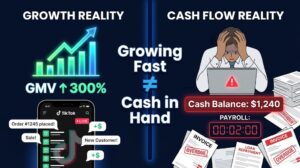
Many TikTok Shop sellers know their GMV number. Far fewer know their actual net profit per unit after all costs are accounted for. This gap is how a seller can do $100,000 in TikTok Shop revenue in a month and still be operating at a loss.
Building Your True Unit Economics
A realistic TikTok Shop P&L for a consumer product in 2026 looks something like this, working from a $50 retail price:
- Retail price: $50.00
- TikTok Shop commission (6%): –$3.00
- Payment processing (~2%): –$1.00
- Affiliate commission (12%): –$6.00
- FBT fulfillment (~$4.50): –$4.50
- Cost of goods (assuming 30% COGS): –$15.00
- Returns allowance (10% rate at full refund + shipping): –$3.00
- Ad spend allocation (assuming 15% of revenue): –$7.50
- Net per unit: ~$10.00 (20% net margin)
That’s a viable business — but only if all those costs were planned for from the beginning. Sellers who set affiliate commissions before calculating full costs, or who don’t account for return rates in their margin model, often discover they’re running at 5–8% net margins or worse.
The Weekly Financial Review Habit
The average active US TikTok Shop seller generates approximately $3,750 per month in sales, with net profits between $690 and $1,300 — a margin range of 18–39% that reflects enormous variance in how sellers manage their cost structure. The difference between the bottom and top of that range is almost entirely operational: how tightly affiliate commissions are managed, whether return rates are monitored and actioned, and whether ad spend is continuously optimized against ROAS targets.
Building a weekly financial review habit — even a simple spreadsheet that captures gross revenue, returns, affiliate costs, ad spend, and COGS — creates the visibility needed to catch margin compression before it becomes a crisis. Sellers who review these numbers weekly act on problems faster than those who wait for a monthly accounting close.
Conclusion: The System Is the Strategy
TikTok Shop is one of the most accessible and dynamic commerce platforms available to sellers in 2026. But accessibility is a double-edged quality — it means the barrier to starting is low, which also means the barrier to getting lost in tactical noise without a coherent strategy is equally low.
The sellers who build durable, profitable TikTok Shop businesses share a common characteristic: they treat the platform as a system to be designed, not a channel to be hacked. They select products with structural advantages for discovery commerce. They build creator relationships, not just affiliate rosters. They use LIVE selling as a revenue pillar, not an afterthought. They manage their account health with the same discipline they’d apply to their financial statements. And they build retention infrastructure that keeps customers in their ecosystem after TikTok’s algorithm has moved on.
The viral moment will come — probably more than once, if you’re running the platform correctly. But the measure of a real TikTok Shop business isn’t what happens when a video takes off. It’s what happens the week after. The month after. The quarter after.
Build the system first. The viral moments become fuel for a fire that was already burning — instead of a spark with nowhere to go.
Key Takeaways
- TikTok operates on discovery commerce logic — content creates need rather than satisfying pre-existing demand.
- Focus on one to two hero products before expanding. Depth beats breadth in the early stages.
- Build creator relationships, not just an affiliate roster. The brief is as important as the commission rate.
- TikTok LIVE converts at 5–12% — significantly higher than shoppable video. Invest in it early.
- For paid ads, allocate 80% of budget to GMV Max campaigns; boost only organic content that has already proven conversion.
- Know your true unit economics before setting affiliate commission rates or running promotions.
- Since March 2026, independent shipping is no longer allowed — all sellers must use FBT, Upgraded TikTok Shipping, or CBT.
- Build retention infrastructure (post-purchase sequences, subscriptions, community UGC) that operates outside the algorithm.
- Use TikTok for acquisition, Shopify for retention, and Amazon for trust-building at scale.